Simple MCP2036 SDR Radio - The Most Unusual Software Defined Radio
In this project I demonstrate an extremely simple Direct Conversion SDR Receiver based on the Microchip MCP2036 IC. With only a handful of passive components and an external VFO, this unusual circuit becomes a surprisingly capable SDR front-end covering frequencies up to approximately 10–15 MHz.
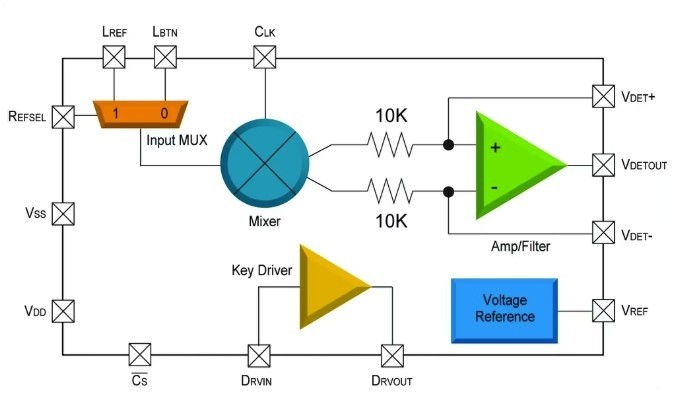
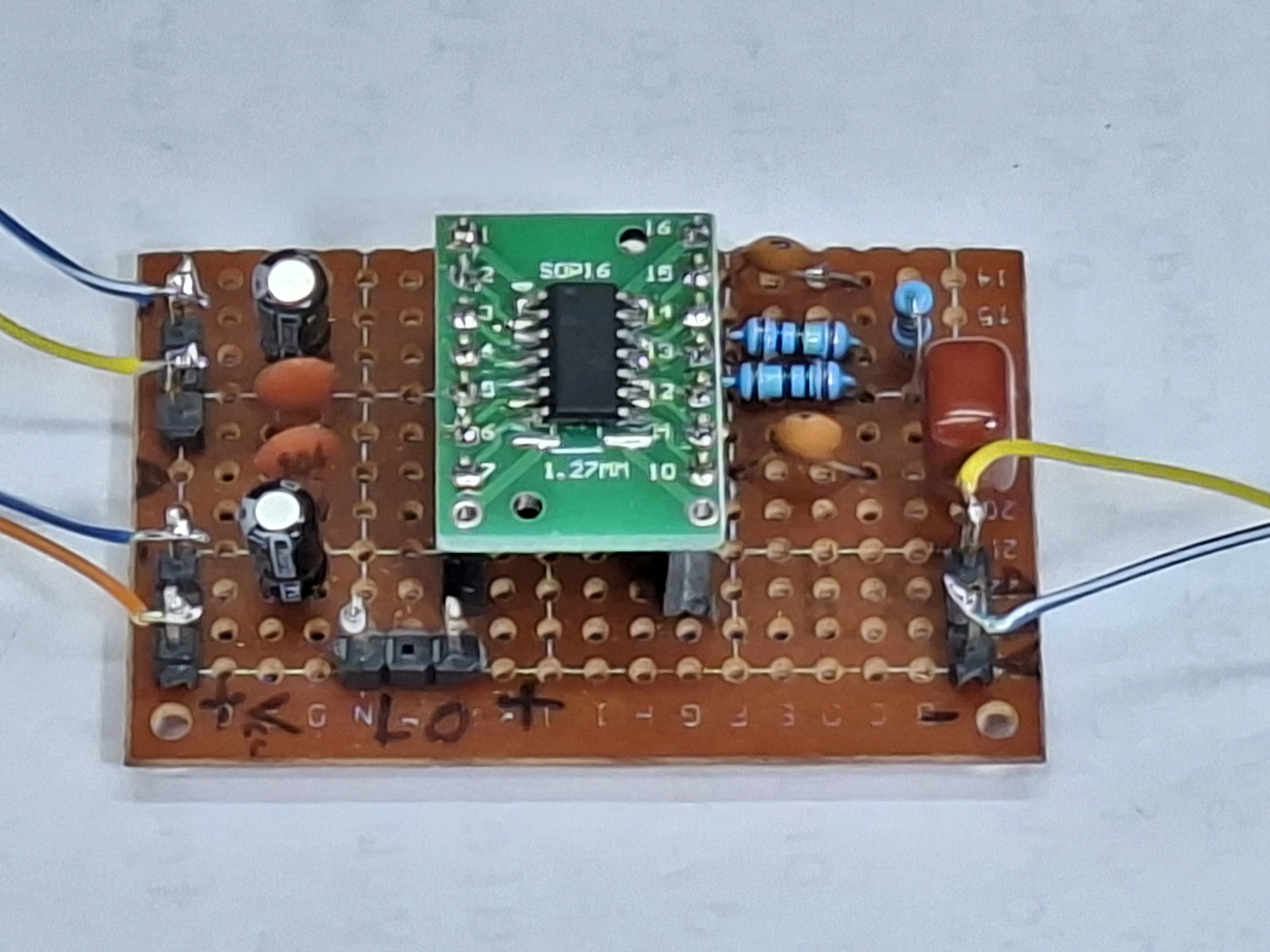
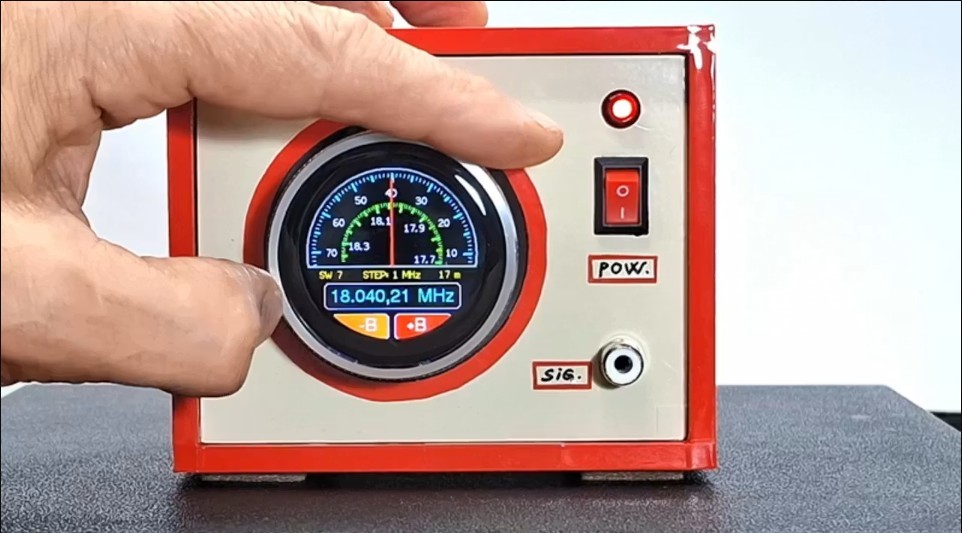
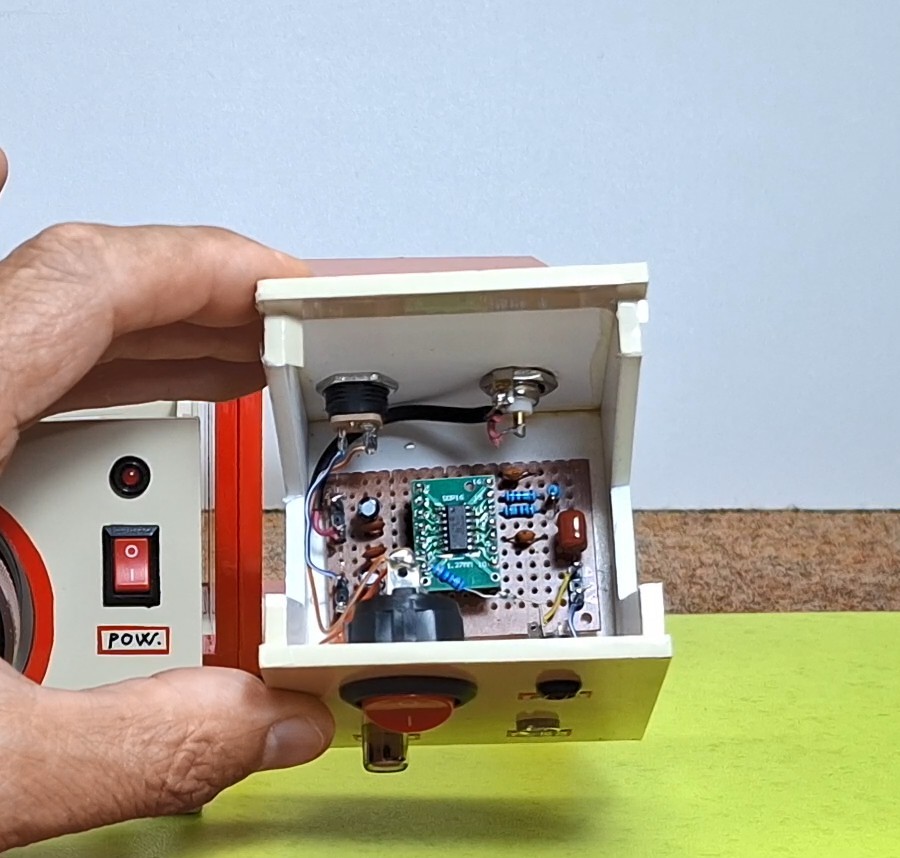
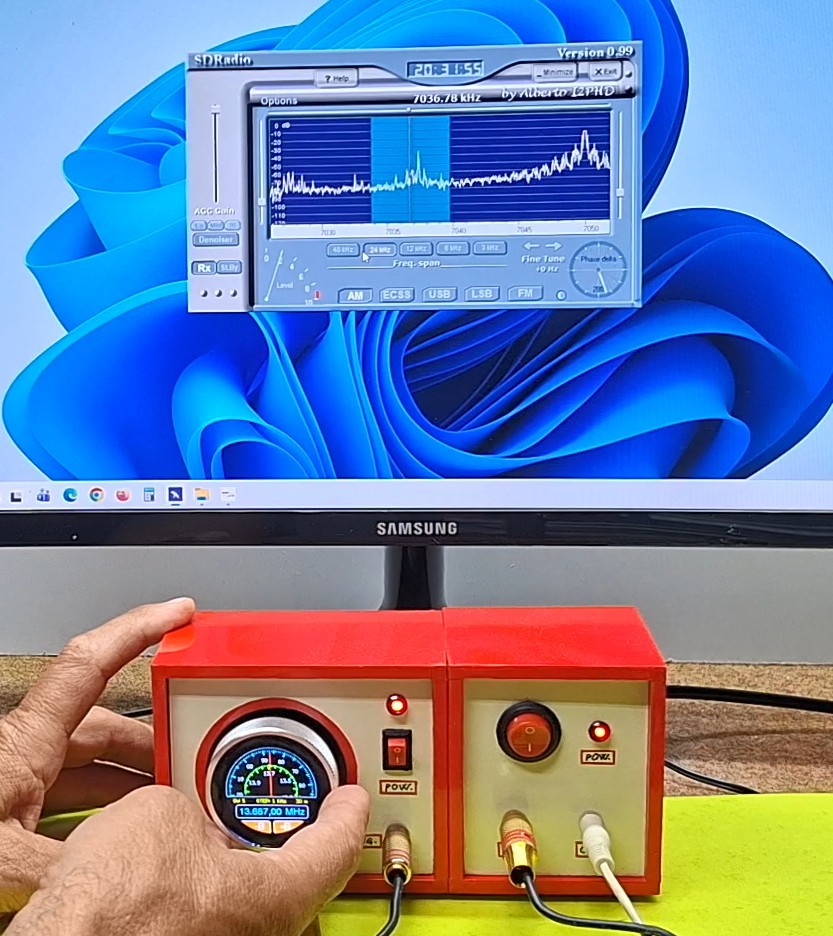
SDR (Software Defined Radio) is a radio communication system where many of the key electronic components of a classic radio receiver, such as filters, amplifiers and detectors, are replaced by software that runs on a computer or mobile device. In several previous videos, I have presented various ways to make software defined radios, from the simplest with a single vacuum tube to SDR with a Raspberry Pi pico and two displays. Basically, they were all made in classic well-known ways. This time I will present you a very unusual and simple way to make an SDR radio with a chip that is not for this purpose at all. Namely, the project uses the MCP2036 IC from Microchip, which was originally intended as a frontend for inductive touch systems. The idea was promoted long ago in the journal Funkamateur by Dr. Martin Ossmann and entitled "Circuit for Inductive Sensors as a Receiver Front End". While its primary purpose is measuring tiny changes in coil inductance for touch interfaces, its internal architecture—containing a high-frequency driver, multiplexer, mixer and synchronous detector—allows it to function as a low-frequency RF front end. So with this chip, an extremely simple direct conversion receiver can be made, according to the given characteristics with a possible upper frequency limit of approximately 10 MHz, but as you will see in this project, it also functions quite solidly on the 19m broadcast band, i.e. at frequencies up to 15MHz. We only need a few passive components and an external oscillator to select the desired frequency. For this purpose, I use my VFO with a 1.28 inch circular display, the construction of which is described in one of my previous videos . Otherwise, the output signal can be fed directly to an audio amplifier, thus obtaining a standalone direct conversion receiver. However, in the described way, I use this circuit as a front end of an SDR radio, and in this way, with PC software, can be performed demodulation of many different types of analog and digital radio signals. Here is what the finished device looks like. I mistakenly got an mcp2036 chip in a SOIC package, otherwise it is much simpler to make it with a chip in a DIP package. Here is the antenna connector, the VFO signal input, and the audio output. The other device is a Variable Frequency Oscillator. Now let's see how this SDR radio works in real conditions. For reception I will use my long wire antenna mounted on the roof of the house. And finally a short conclusion. In this project I demonstrate an extremely simple Direct Conversion SDR Receiver based on the Microchip MCP2036 IC. With only a handful of passive components and an external VFO, this unusual circuit becomes a surprisingly capable SDR front-end covering frequencies up to approximately 10–15 MHz. The receiver is tested on several HF amateur and shortwave broadcast bands using SDR software running on a PC. Despite the simplicity of the circuit, the results are impressive and make this a fascinating experiment for every radio electronics enthusiast.
Want to build a project?
Bring your design to life with the Elektor PCB Service, powered by Eurocircuits. Upload the project files and order professionally manufactured PCBs or assembled boards through a proven European production platform.
Supporting KiCad, Eagle, Gerber, and ODB++ formats, the service is suitable for everything from prototypes and validation builds to series production and volume manufacturing.



Commenti (0 commenti)